02 October 2026
How Periodontal Treatment Ventura Helps Stop Gum Disease Progression
Presented by @titusxwai055

Gum disease rarely announces itself with drama. More often, it starts quietly, with a little bleeding in the sink, a faint metallic taste, or tenderness that comes and goes. Many people brush it off for months, sometimes years. By the time they realize something is wrong, the infection has often moved beyond simple gingivitis and into deeper tissues that support the teeth.
That is where timely, well-planned care matters. Periodontal treatment is not just about cleaning teeth more thoroughly. Done properly, it interrupts the cycle of bacterial accumulation, inflammation, tissue breakdown, and bone loss that drives gum disease forward. For patients seeking Periodontal Treatment Ventura, understanding how that process works can make the difference between keeping healthy teeth for decades and facing avoidable tooth loss later on.
What gum disease is actually doing beneath the surface
Most patients notice symptoms in the gums first, but periodontal disease is not limited to the pink tissue you can see in the mirror. It affects the attachment system that holds teeth in place, including the periodontal ligament and the surrounding bone. That distinction matters because treatment is aimed at preserving support, not simply reducing redness.
In the earliest stage, plaque collects near the gumline. Plaque itself is soft and removable, but if it remains undisturbed, it matures into a more complex bacterial biofilm. Minerals in saliva can harden it into calculus, commonly called tartar. Once calculus forms, it creates a rough surface that shelters more bacteria and makes home care less effective. The gums respond with inflammation. They swell, bleed easily, and begin pulling slightly away from the teeth.
That separation creates periodontal pockets. Pockets are not harmless spaces. They become protected environments where harmful bacteria can thrive below the brush and floss line. As the immune system continues reacting, enzymes and inflammatory mediators begin damaging the very tissues they are trying to defend. Over time, attachment loss and bone loss follow.
This is why gum disease can progress even in people who https://www.google.com/maps?cid=6886544599407677320 think they are brushing well. Surface cleaning alone cannot correct infection that has moved beneath the gums.
The early signs patients in Ventura often overlook
In practice, the first signs are usually subtle enough that people normalize them. Bleeding while flossing is one of the most common examples. Patients often tell themselves they flossed too hard, or that it only happens in one area, so it cannot be serious. Bleeding gums are not normal tissue behavior. Healthy gums do not bleed with routine brushing or flossing.
Persistent bad breath is another clue that tends to be dismissed. Mouthwash may mask the odor for an hour or two, but it does not treat the bacterial source. Receding gums can also be gradual enough that people only notice when a tooth looks longer than it used to, or when cold drinks suddenly trigger sensitivity near the root.
Some patients feel no pain at all until disease is advanced. That surprises people, but it is one reason periodontal evaluations matter. Gum disease is often more destructive than painful, especially in the middle stages.
Dentists and periodontists in Ventura tend to see a broad mix of cases, from mild inflammation to severe attachment loss. The progression pattern varies. A younger adult may have isolated deep pockets around a few molars, often related to plaque retention or anatomy. An older patient may show generalized recession and chronic bone loss that developed slowly over many years. Smoking, diabetes, dry mouth, medications, stress, and inconsistent dental care can all accelerate the process.
Why periodontal treatment has to be more than a routine cleaning
A standard prophylaxis, or routine dental cleaning, is designed for mouths without active periodontal disease. Its job is to remove everyday plaque and tartar above the gumline and in shallow crevices. It is not intended to treat deep infection, root surface contamination, or pathologic pockets.
When gum disease is present, periodontal treatment goes further. The core goal is to reduce the bacterial burden beneath the gums and create conditions that allow tissues to stabilize. In many cases, that starts with scaling and root planing, often called deep cleaning. Despite the familiar phrase, this is not simply “a better cleaning.” It is a therapeutic procedure.
Scaling removes plaque, calculus, and bacterial toxins from root surfaces below the gums. Root planing smooths those surfaces so bacteria have fewer places to reattach. Depending on the severity and the patient’s comfort level, treatment may be done in sections with local anesthetic. Afterward, the tissues can begin shrinking and reattaching more favorably, which helps reduce pocket depth.
For many patients, this is the turning point. Bleeding decreases, breath improves, and the gums become firmer and less swollen within weeks. More important than the visible changes, though, is what happens biologically. Inflammation comes down. The tissue environment becomes less destructive. Disease activity slows, and in many cases, it can be brought under control.
How Periodontal Treatment Ventura interrupts disease progression
When people search for Periodontal Treatment Ventura, they are often trying to solve a practical problem: How do I stop this from getting worse? The answer lies in the sequence of care. Effective periodontal treatment interrupts progression at several levels.
First, it physically removes the bacterial deposits that home care cannot reach. Once calculus is attached below the gumline, brushing harder does not solve the problem. Professional instrumentation is necessary.
Second, it reduces pocket depth when possible. Shallower pockets are easier to keep clean and less hospitable to destructive bacteria. Even a reduction of 1 to 2 millimeters in certain areas can significantly improve long-term maintainability.
Third, it changes the inflammatory environment. Gum disease is not driven by bacteria alone. It is the body’s inflammatory response to that bacterial challenge that causes much of the tissue breakdown. Lower bacterial load generally means less inflammation, less bleeding, and less ongoing destruction.
Fourth, it creates a baseline for monitoring. Once initial therapy is complete, clinicians can identify which sites responded well and which did not. That matters because localized persistent pockets may need additional treatment, while stable areas can often be maintained with close recall visits and good home care.
Finally, it gives patients a realistic path forward. Untreated periodontal disease tends to be cyclical. Symptoms improve briefly, then worsen, then improve again just enough for people to delay care. Periodontal treatment breaks that pattern and replaces it with active management.
What a thorough periodontal evaluation usually includes
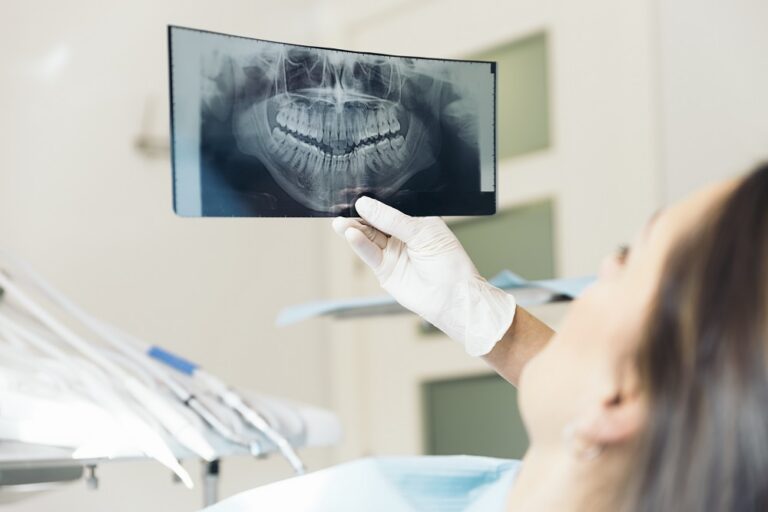
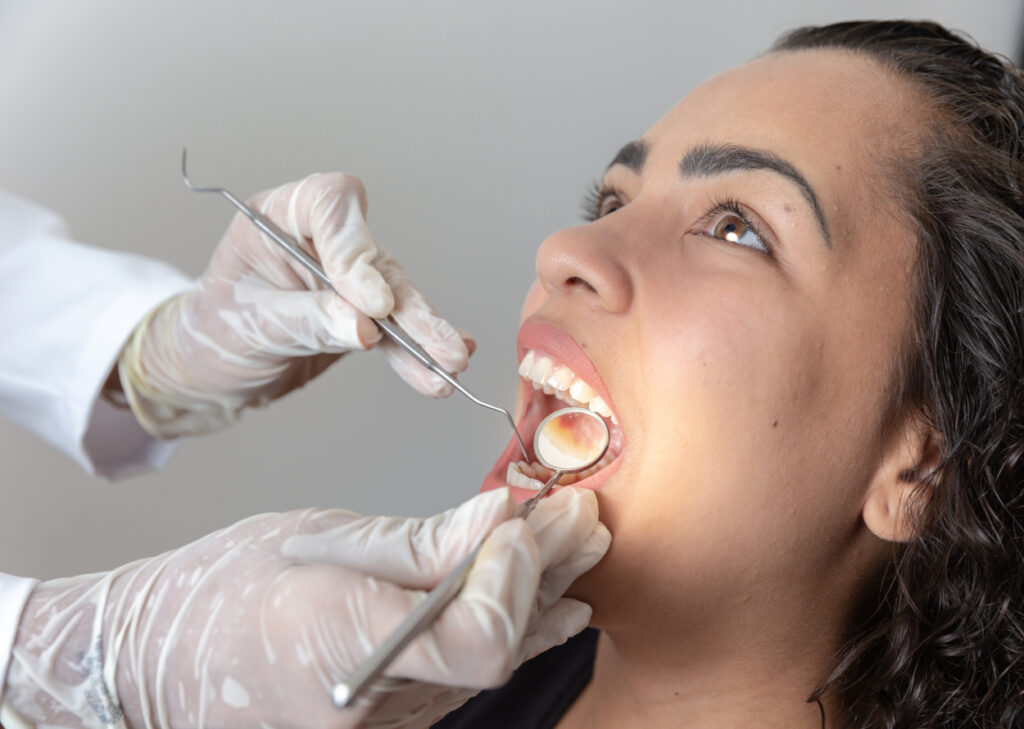
Good treatment starts with precise measurement. Guesswork has no place in periodontal care. A proper evaluation typically includes probing around each tooth, checking for bleeding, measuring recession, assessing mobility, evaluating bone levels on radiographs, and noting areas where plaque and calculus tend to accumulate.
Pocket depth alone does not tell the full story. A 4 millimeter pocket in one patient may be relatively stable if there is no bleeding and excellent home care. A 4 millimeter pocket in another patient with active inflammation and increasing bone loss may be a warning sign. Clinical judgment matters.
Dentists also look for contributing factors that can sabotage healing. A rough crown margin, crowded lower front teeth, a poorly fitting bridge, clenching, mouth breathing, or heavy smoking can all affect results. If diabetes is poorly controlled, tissue response may be slower and inflammation more persistent. That does not mean treatment will fail, but it may need to be coordinated carefully and maintained more aggressively.
What treatment feels like, and what recovery is usually like
One reason people delay care is fear that periodontal therapy will be painful. In reality, most modern treatment is very manageable. Local anesthetic is commonly used for scaling and root planing, so patients feel pressure and movement more than pain. Afterward, mild soreness or temperature sensitivity is common for a few days, especially where the gums were very inflamed to begin with.
A typical recovery includes some tenderness, slight gum shrinkage as swelling resolves, and improved freshness in the mouth fairly quickly. Patients are often surprised that the gums feel tighter and less puffy within a week or two. If there was significant tartar buildup, the teeth may feel cleaner and slightly different to the tongue because bulky deposits are gone.
Cold sensitivity can increase temporarily, especially where roots are newly exposed after inflammation decreases. This is usually manageable with desensitizing toothpaste, fluoride products, and time. Most patients find the short-term inconvenience worth the improvement in gum health.
Why maintenance is where long-term success is won
Initial treatment is only part of periodontal care. Maintenance is what keeps the disease from reactivating. That point cannot be overstated. Gum disease is usually controlled, not “cured” in the simple sense people use for a one-time infection.
After active therapy, many patients need periodontal maintenance more often than the traditional six-month recall. Three to four month intervals are common because harmful bacteria can repopulate pockets relatively quickly in susceptible individuals. At these visits, clinicians reassess pocket depths, bleeding, plaque control, and site-specific changes. Areas of concern are cleaned more thoroughly than during a routine prophylaxis, and patterns are tracked over time.
Patients sometimes ask whether more frequent maintenance is really necessary if their mouth feels fine. Clinically, the answer is often yes. Periodontal disease does not always produce obvious symptoms between visits. Stability is measured, not guessed.
A strong home routine supports that professional care. The exact tools vary by mouth, but several habits consistently help:
- Brush carefully at the gumline twice a day with a soft-bristled brush.
- Clean between the teeth daily with floss, picks, or interdental brushes as recommended.
- Use any prescribed rinse or fluoride product exactly as directed.
- Keep periodontal maintenance appointments on schedule.
- Address smoking, dry mouth, or uncontrolled diabetes if they are part of the picture.
Patients who follow through on these basics often see a remarkable difference in long-term stability. The pockets that initially bled at almost every touch may become quiet and maintainable. Teeth that once felt slightly loose can stabilize when inflammation drops and biting forces are adjusted if needed.
When non-surgical care is enough, and when it is not
Not every case of gum disease requires surgery. In fact, many mild to moderate cases respond well to non-surgical periodontal therapy combined with excellent maintenance. If pocket depths reduce, bleeding resolves, and radiographs show no active progression, surgery may not offer additional benefit.
That said, some sites remain problematic even after good initial treatment. Deep pockets around molars, furcation involvement where bone loss extends between roots, areas with complex anatomy, or defects with vertical bone loss can be difficult to manage non-surgically. In those situations, referral to a periodontist may be appropriate.
Surgical periodontal treatment can improve access for cleaning, reduce persistent pockets, reshape tissue, or regenerate selected defects when anatomy allows. Not every defect is regenerable, and not every patient is a candidate for every procedure. Results depend on the specific site, smoking status, systemic health, home care, and how early the disease was caught.
This is where experienced clinical judgment matters. Aggressive treatment is not always better. Conservative treatment is not always enough. The right plan is the one that controls infection and gives the patient a realistic chance of long-term stability.
The relationship between gum disease and the rest of the body
Periodontal treatment is often discussed in terms of saving teeth, which is reason enough to take it seriously. But oral inflammation does not exist in a vacuum. Chronic gum infection adds to the body’s inflammatory burden, and it can complicate management of other conditions, especially diabetes.
The evidence is strongest for a two-way relationship with blood sugar control. Patients with poorly controlled diabetes often have more severe periodontal inflammation, and active gum disease can make diabetic control more difficult. Treating the gums does not replace medical care, but it can remove a source of chronic inflammation that works against it.
Pregnancy, certain heart conditions, and immune-related issues also make periodontal health more relevant. It is wise for patients to tell their dental team about medications, diagnoses, and any major health changes. Good periodontal care works best when it is coordinated, not isolated.
Common reasons treatment gets delayed in Ventura, and why that matters
Cost is one reason people postpone care, and it is understandable. Periodontal treatment is more involved than a routine cleaning, and fees reflect the time, instrumentation, anesthetic, charting, and follow-up required. Still, delayed care usually becomes more expensive, not less. Managing moderate disease is generally simpler than replacing teeth lost to advanced periodontitis.
Time is another factor. Patients with busy work schedules, school pickups, and family obligations often put themselves last. Gum disease takes advantage of that delay. It does not stay still because life is busy.
Then there is embarrassment. Some people avoid appointments because they worry they will be judged for neglect or for smoking or for not flossing well enough. A good periodontal team has seen all of it before. The useful question is not how things got here. It is what can still be saved and how to move forward.
What patients should look for when seeking Periodontal Treatment Ventura
Finding the right provider is not just about location. It is about whether the office takes diagnosis, communication, and follow-through seriously. Patients benefit when the team explains pocket measurements clearly, discusses treatment options honestly, and sets expectations for maintenance from the beginning.
These signs usually point to a thoughtful approach:
| What to look for | Why it matters | |---|---| | Full periodontal charting | It establishes a measurable baseline and identifies problem sites accurately. | | Updated radiographs when indicated | Bone levels and hidden calculus cannot be judged by sight alone. | | Clear distinction between routine cleaning and periodontal therapy | It shows the office is diagnosing disease rather than labeling everything the same. | | A maintenance plan after treatment | Long-term control depends on recall intervals and reassessment. | | Referral to a periodontist when needed | Complex cases deserve specialty input rather than hopeful guesswork. |
Patients should feel comfortable asking direct questions. How deep are my pockets? Is bone loss present? Which areas concern you most? What happens if I wait six months? Honest answers help patients make informed choices.
A realistic picture of outcomes
The phrase “stop gum disease progression” deserves precision. Periodontal treatment can often halt or slow active disease substantially, but outcomes depend on timing and participation. If bone loss is already severe, treatment may preserve what remains without restoring everything that was lost. That is still a meaningful success. Saving function, reducing infection, and extending the life of natural teeth by many years is not a small result.
In milder cases, outcomes can be excellent. I have seen patients in their forties with generalized bleeding and moderate pockets return a few months after treatment with dramatically healthier tissue, far less inflammation, and renewed confidence in their oral health. I have also seen the other side, patients who improved briefly but skipped maintenance, resumed smoking heavily, and returned with deeper pockets and additional bone loss. Periodontal therapy works best when it becomes part of a long-term health routine rather than a one-time fix.
That reality is not discouraging. It is empowering. Gum disease is one of the clearer examples in healthcare where consistent small actions make a visible difference over time.
Why acting early changes the whole trajectory
One of the most frustrating aspects of periodontitis is that patients often seek help only after a tooth becomes loose or uncomfortable. By then, treatment is more complex and the margin for recovery is smaller. Earlier intervention allows clinicians to work with shallower pockets, less bone loss, and tissue that still has a strong capacity to respond.
Even if symptoms seem minor, bleeding gums and recurrent tenderness are worth evaluating. A single visit can clarify whether the problem is simple gingivitis, established periodontal disease, or something else entirely. If treatment is needed, starting sooner usually means less extensive care and a better long-term outlook.
For residents looking into Periodontal Treatment Ventura, the practical takeaway is straightforward. Gum disease progresses when bacterial deposits remain undisturbed and inflammation is allowed to continue. Periodontal treatment stops that momentum by cleaning below the gumline, reducing pocket depth, calming inflammation, and setting up a maintenance plan that keeps disease activity in check. The sooner that process begins, the more tooth support can often be preserved.
Healthy gums are not just cosmetic framing around the teeth. They are the foundation that lets those teeth function comfortably, chew efficiently, and stay in place year after year. Protect the foundation early, and the rest of the mouth has a far better chance of staying strong.
Avra Dental
Address: 1708 S Victoria Ave B, Ventura, CA 93003
Phone number: (805) 941-1001
FAQ About Periodontal Treatment Ventura
Can a dentist get rid of periodontal disease?
A dentist or gum specialist (periodontist) cannot fully cure or reverse advanced periodontal disease (periodontitis), but they can successfully stop its progression and manage the infection.
Is periodontitis very serious?
Yes, periodontitis is a very serious, advanced form of gum disease that destroys the bone and tissues supporting your teeth.
How is stage 2 periodontal disease treated?
Stage 2 periodontal disease (early to moderate periodontitis) is primarily treated with non-surgical deep cleaning procedures like scaling and root planing to remove bacteria and tartar below the gumline.